October 30, 2026
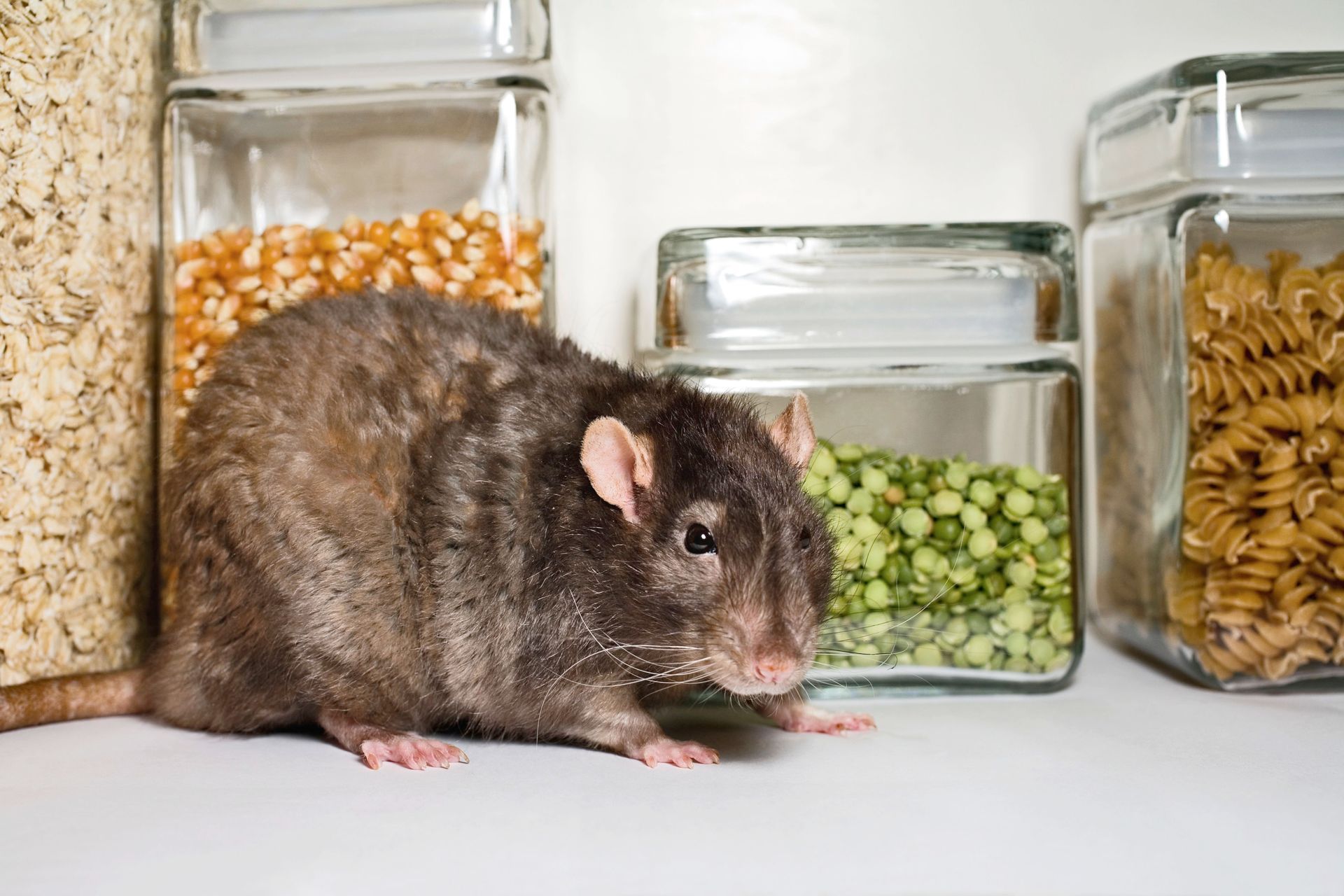
Rodents can enter homes quietly and remain hidden in walls, attics, basements, garages, or storage areas until signs become difficult to ignore. Droppings, gnaw marks, scratching sounds, damaged food packages, and nesting materials can all point to activity. Because rodents can use small openings, controlling an infestation often requires more than placing a few traps.
Prevention is also less common than many homeowners may assume. According to the National Pest Management Association, only 40% of Americans take preventive measures to keep rodents out of their homes. Professional pest control services can address an active infestation while also identifying the entry points, food sources, and conditions that may allow rodents to remain or return.
Begin With a Detailed Property Inspection
Effective rodent control starts with understanding where activity is occurring. A professional inspection may look for droppings, gnawing, rub marks, nesting material, damaged packaging, tracks, and other evidence. Technicians can also evaluate attics, basements, crawl spaces, garages, utility areas, and locations where pipes or cables enter the building.
The goal is not simply to confirm that a rodent was present. Professionals determine where rodents may be traveling, feeding, nesting, and entering. That information guides control measures and identifies vulnerabilities that could contribute to another infestation.
Bugout Termite & Pest Control Inc begins its rodent control approach with inspection and offers service for both mice and rats throughout Anne Arundel, Howard, and Baltimore Counties in Maryland. Its technicians evaluate each property individually before recommending a treatment strategy.
Identify Whether Mice or Rats Are Involved
Different rodents can behave differently, so identification is an important part of planning treatment. Droppings, gnaw marks, nesting locations, tracks, sounds, and other signs can help professionals determine what type of rodent is active.
Homeowners may only notice movement or hear scratching after dark. A technician can use available evidence to build a clearer picture rather than relying on one sighting. That distinction can influence where traps or baits are placed and which areas need closer inspection.
Professional pest control services can also help determine whether signs that appear old are connected with ongoing activity. Fresh evidence, repeated noises, new damage, or continued sightings may indicate that rodents are still using the property and that additional control measures are needed.
Use Traps and Baits Strategically
Rodent control products work best when selected and placed according to the property, pest, and activity pattern. Scattering traps around a home may miss routes rodents regularly use. Professionals consider evidence of travel, nesting areas, food access, and the structure's layout when determining placement.
Bugout states that its rat control program can use a combination of trapping, baiting, and exclusion techniques. Its mouse control services also focus on targeted treatment along with identifying and sealing potential access areas.
Professional placement also allows the treatment plan to account for children, pets, occupants, and property use. Technicians can explain what has been installed, where it is located, and what homeowners should avoid disturbing during treatment.
Find and Address Rodent Entry Points
Removing rodents from a house addresses only part of the problem if the openings that allowed them inside remain available. The NPMA advises homeowners to inspect areas such as garage door seals, attic siding and trim, and openings around pipes, cables, and HVAC lines because these locations can provide routes into a structure.
Professional pest control services often include exclusion as part of a broader rodent strategy. Exclusion means identifying potential access points and sealing appropriate openings so rodents have fewer opportunities to enter again.
Bugout emphasizes exclusion in both its mouse and rat programs. Technicians look for gaps and vulnerabilities that may contribute to activity. Some openings are obvious, while others may be hidden behind siding, near utility penetrations, around doors, or in less frequently inspected areas.
Reduce Food, Water, and Shelter Opportunities
Rodents are more likely to remain where food and shelter are available. Open food packages, unsecured trash, pet food, clutter, and accessible storage can create favorable conditions. Outdoors, dense vegetation and accumulated materials can provide sheltered areas near the structure.
The NPMA recommends storing food in airtight containers, securing garbage cans, limiting outdoor food sources, and reducing clutter as part of rodent prevention. These steps do not replace treatment when an infestation is already established, but they can support the professional control plan.
Bugout also provides sanitation guidance as part of its rodent management approach. When pest control services combine removal with practical changes to the surrounding environment, the goal shifts from catching individual rodents to making the property less accommodating to continued activity.
Monitor Activity After Initial Treatment
Rodent control may require follow-up rather than a single visit. Infestation size, building layout, and entry points can affect how quickly signs decline. Monitoring allows technicians to determine whether treatment is working and whether adjustments are necessary.
Professionals may look for changes in droppings, trap results, noises, or new evidence. If signs continue, the technician can reconsider placement, inspect additional areas, or look for an entry point missed initially.
Bugout offers ongoing prevention strategies and yearly service plans for customers who need continued protection. Professional pest control services can use follow-up information to respond to changing conditions instead of assuming that the absence of a visible rodent means the entire problem has been resolved.
Recognize the Property Risks Associated With Rodents
Rodents can create problems beyond being unwanted. The NPMA notes that they may contaminate food and surfaces with bacteria such as salmonella and gnaw drywall, insulation, and electrical wiring. Evidence of chewing or contamination deserves attention even when only a few rodents have been observed.
Homeowners should avoid casually disturbing areas containing extensive droppings, urine, or nesting debris. Cleanup may require precautions depending on the location and contamination. A pest professional can control the rodents, while heavily contaminated or damaged materials may require separate cleaning or repair.
Combine Removal With Long-Term Prevention
A successful rodent program should consider both the animals currently inside and how future activity can be reduced. That can involve inspection, trapping or baiting, exclusion, sanitation recommendations, monitoring, and maintenance of vulnerable areas around the property.
The NPMA statistic that only 40% of Americans take preventive measures highlights an important gap. Homeowners may not think about rodent prevention until they find droppings or hear movement. Checking garage seals, exterior penetrations, food storage, trash, and clutter before signs appear can reduce conditions that attract or admit rodents.
Bugout Termite & Pest Control Inc is a family-owned and operated company serving Anne Arundel, Howard, and Baltimore Counties. The company has operated since 1988, brings more than 45 years of industry experience to its work, and is fully licensed and insured.
Use a Comprehensive Approach to Rodent Control
Rodent infestations can be difficult to address because the animals often remain out of sight and can move through parts of a building homeowners rarely inspect. Catching one mouse or rat does not necessarily reveal where it entered, whether additional rodents are present, or what conditions are supporting the activity.
Professional pest control services approach the problem systematically by inspecting the property, identifying activity, selecting targeted control measures, locating access points, and recommending preventive changes. Follow-up monitoring can then show whether activity is declining or whether the plan needs to be adjusted.
For homeowners and businesses in Anne Arundel, Howard, and Baltimore Counties, Bugout provides rodent control that includes inspections, trapping and baiting strategies, exclusion, and ongoing prevention. Addressing both the immediate infestation and the reasons rodents gained access can provide a more complete response than focusing only on the animals that happen to be visible.