October 16, 2026
Termites are not simply insects that appear on the surface of a property and disappear after a single application. Because much of their activity happens out of sight, visible termites may represent only a small portion of a larger problem.
This hidden behavior is one reason a quick treatment may not resolve an infestation. Spraying the insects that happen to be visible can reduce what a homeowner sees without addressing the colony, its access points, or the conditions that allow activity to continue. Effective termite control begins with understanding where termites are active and how they are moving through a structure.
According to the National Wildlife Federation, termite queens can survive for over 20 years. That long potential lifespan helps explain why established colonies cannot be treated like a short-lived household nuisance. A colony can persist while workers remain hidden and continue foraging for cellulose-based materials.
Recognizing How Termites Hide
Subterranean termites are especially challenging because their colonies are commonly associated with soil and connected to structures through concealed pathways. University of Maryland Extension explains that these termites can travel through networks of underground tunnels and that a colony may access food sources separated by significant distances. Workers can also tunnel inside wood while leaving the outer surface looking relatively normal.
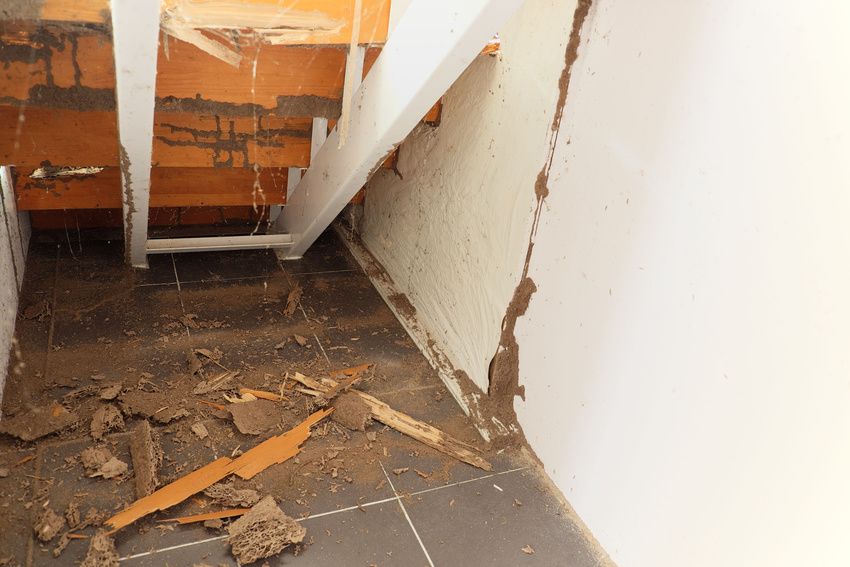
Signs such as mud tubes, discarded wings, blistered wood, or unexplained structural changes can indicate activity. Swarmers may also appear around windows, doors, light sources, or other areas during appropriate seasonal conditions. However, finding and removing visible insects does not necessarily mean the underlying colony has been eliminated.
This is where professional termite services can provide a more complete perspective. A trained technician can look beyond the most obvious evidence and consider the structure, surrounding soil, moisture conditions, construction features, and likely termite pathways. That assessment helps determine what treatment approach fits the property.
Understanding Why Surface Treatments May Fall Short
Many DIY products are designed to kill insects that come into direct contact with an application. That can make the result look immediate, but termites within a colony may remain protected elsewhere. Workers, soldiers, and reproductives have different roles, and many members of the colony never come into contact with a surface treatment.
A visible reduction in termite activity can therefore create a false sense of resolution. If the colony remains active, workers may resume foraging or find another route into the structure. In some cases, the original evidence simply becomes harder to see while the underlying issue continues.
The University of California Statewide Integrated Pest Management Program notes that subterranean termite control requires specialized knowledge, including an understanding of termite biology and building construction. It also explains that multiple colonies or species can affect a structure, making inspection and an integrated control approach important.
Evaluating What an Inspection Can Reveal
A professional inspection is more than a search for live insects. It is an opportunity to identify evidence of current or previous activity and determine how termites may be entering or moving through the property. Technicians can examine accessible areas for shelter tubes, damaged wood, moisture-related conditions, and other indicators that help establish the scope and context of the problem.
Inspection findings can also help distinguish termite activity from other causes of wood damage. Not every damaged board, flying insect, or pile of debris indicates an active termite infestation. Proper identification matters because treatment should match the pest and the circumstances found at the property.
Instead of repeatedly treating isolated signs, property owners can learn what is happening, where activity is concentrated, and what steps may be appropriate for protecting the structure.
Considering How Professional Treatments Target Infestations
Professional termite services can involve different strategies depending on species, activity, construction, and the extent of the infestation.
The goal is not simply to kill termites that happen to be visible. A treatment plan is designed around the biology of the colony and the ways termites interact with the structure. Some approaches work gradually, allowing foraging termites to transfer materials through the colony. Others establish treated zones that address pathways between the soil and the building.
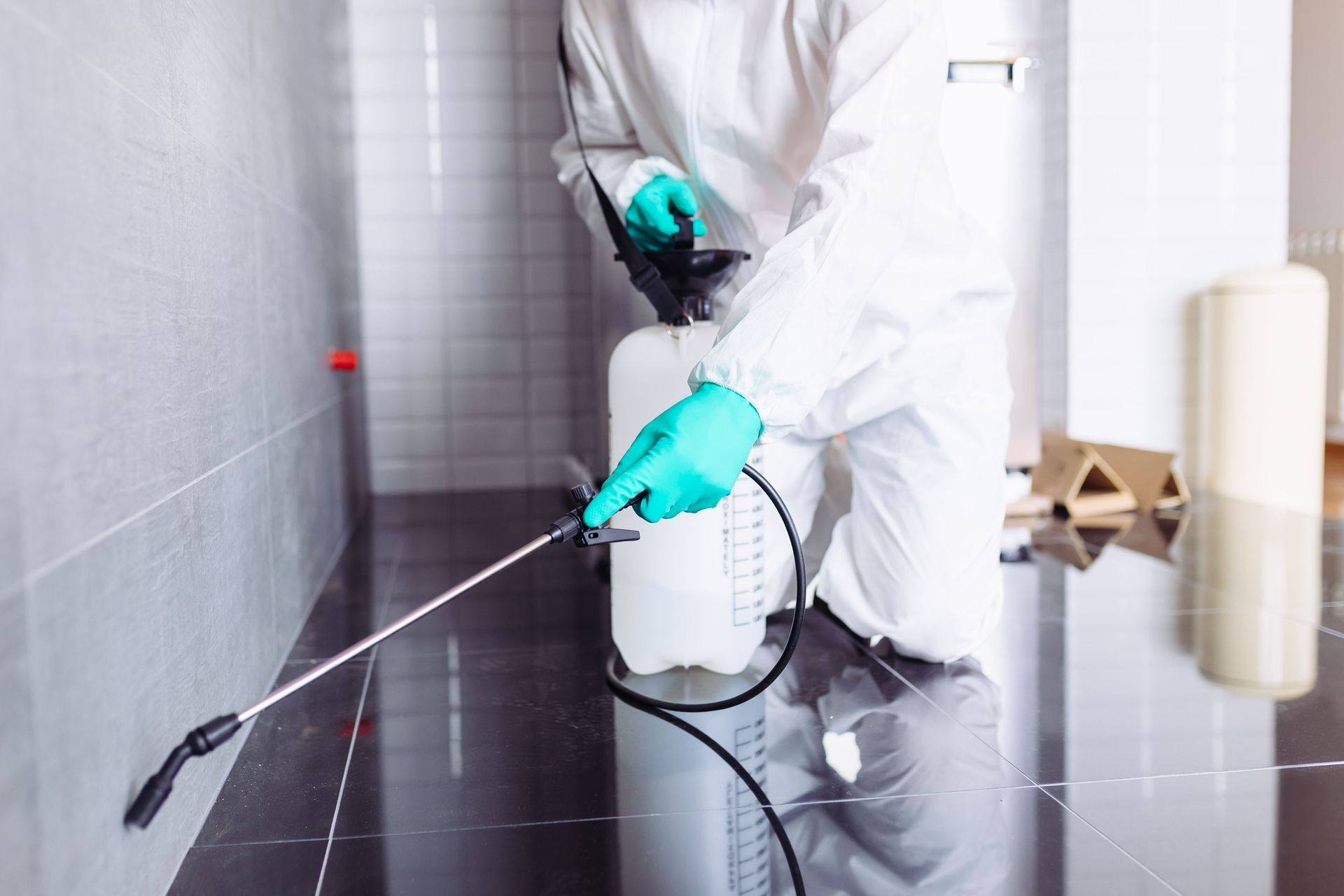
Because treatment products and application requirements vary, professional technicians can select and apply appropriate products according to label directions and applicable regulations. This is especially important when treatment involves areas near occupied living spaces, foundations, crawlspaces, or other sensitive locations.
Addressing Conditions That Support Termite Activity
Treatment is only one part of responsible termite management. Additional termite services may be recommended when monitoring or follow-up is needed. Conditions around a structure can influence where termites travel and whether a property remains attractive to them. Excess moisture, wood-to-soil contact, drainage problems, and concealed access points can all deserve attention when evaluating an infestation.
Professional termite services may therefore be paired with recommendations for correcting conditions that contribute to termite pressure. These recommendations can include improving drainage, addressing moisture concerns, reducing direct contact between soil and wood where appropriate, and maintaining clear access around vulnerable areas.
Addressing these factors does not mean a property owner caused the infestation. Termites are persistent insects that can take advantage of normal construction features and environmental conditions. The purpose of identifying conducive conditions is to improve long-term protection and reduce opportunities for future activity.
Preparing for Seasonal Termite Activity
Termite activity can become more noticeable during periods when winged reproductive termites emerge to swarm. The timing varies by species and geographic area, but warmer, wetter conditions can contribute to increased visibility in many regions. Seasonal activity can make spring and other active periods useful times to pay closer attention to signs around a property.
Seeing swarmers indoors deserves attention because professional termite services can help determine whether a colony is established nearby. Piles of shed wings, mud tubes along foundations, or recurring evidence near wooden components can also justify a professional evaluation.
Rather than waiting for obvious damage, homeowners can treat seasonal observations as an opportunity to learn more about their property. Regular inspections and prompt attention to unusual signs can help identify problems before they become more extensive.
Protecting Properties With Ongoing Monitoring
Termite management does not always end when visible insects disappear. Monitoring can help determine whether treatment is performing as intended and whether new activity develops later. This is particularly useful for properties with a history of infestation or conditions that may increase exposure.
Ongoing termite services can provide continuity by helping property owners monitor vulnerable areas and respond to changes. Depending on the treatment plan, follow-up inspections or monitoring systems may be recommended to evaluate activity over time.
If a technician identifies a new moisture issue, damaged wood, or another condition that could create an access opportunity, addressing it early may help protect the structure. Regular attention can be more practical than waiting for severe signs.
Choosing Professional Help for Lasting Protection
DIY termite treatment can seem appealing when the first signs appear, especially when a product promises quick results. However, termites are colony-based pests that can remain hidden in locations a homeowner cannot easily inspect or reach. Eliminating visible insects is not the same as determining whether the colony has been addressed.
Professional termite services offer a process centered on identification, inspection, treatment selection, and monitoring, while additional termite services can support follow-up needs. This approach can help property owners understand the issue instead of relying on repeated applications that may not address the source of activity.
A professional evaluation can also provide peace of mind by establishing whether termites are present, where evidence is located, and what treatment options fit the property. For homeowners dealing with termite concerns, choosing Bugout Termite & Pest Control Inc can provide a practical path toward professional inspection and targeted termite protection. Contact the team today to schedule an inspection and take the next step toward protecting your property.