October 29, 2026
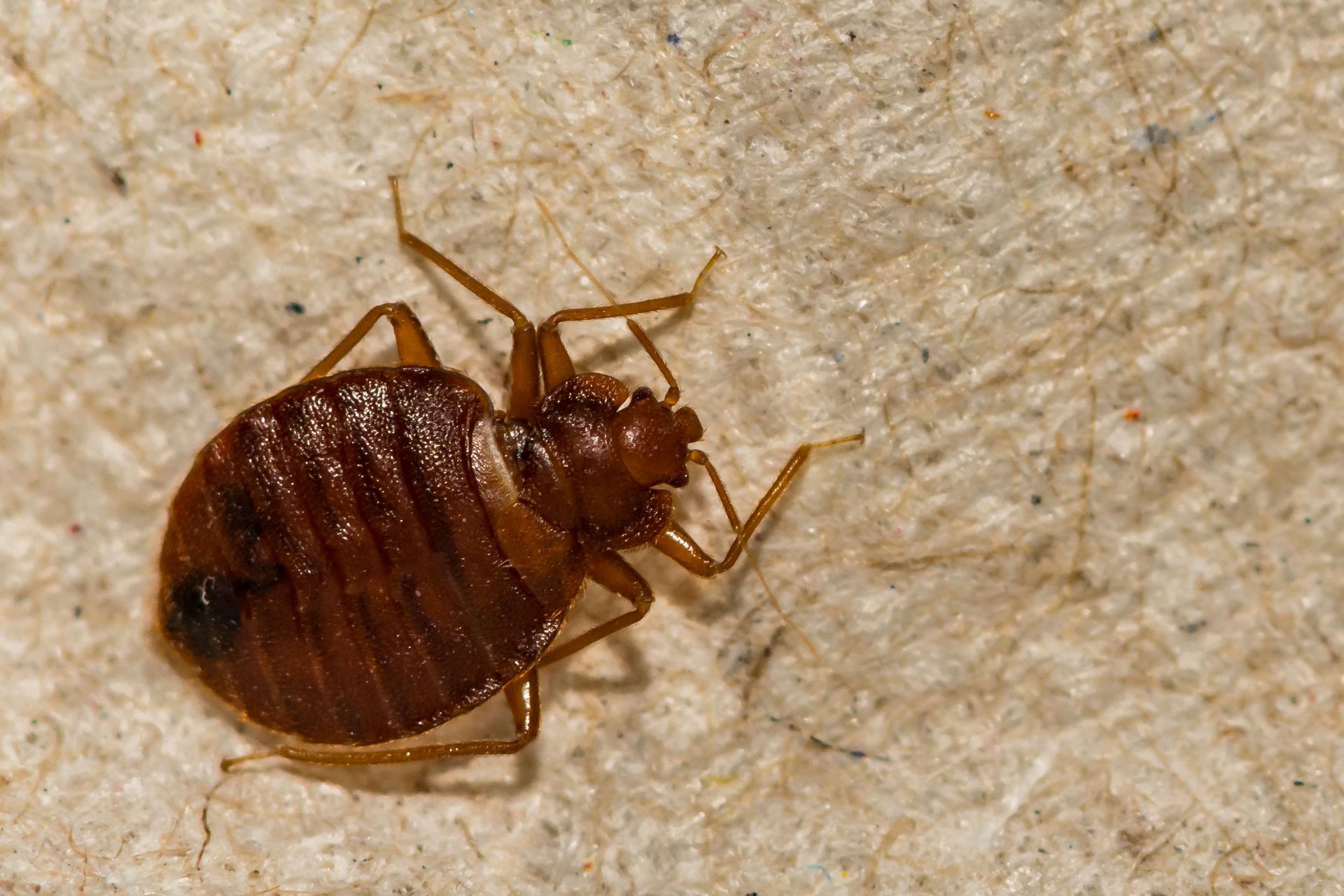
Bed bugs are small, flat insects that can hide in narrow spaces and remain difficult to notice until an infestation becomes established. Although their name suggests they stay in beds, they can move into furniture, wall edges, personal belongings, and other areas where people spend time.
Bed bugs are also more common than many people realize. According to PestWorld, one out of every five Americans has had a bed bug infestation or knows someone who has encountered one. Because these pests can be mistaken for other insects and may remain concealed during the day, a careful inspection should focus on both common and less obvious hiding places. Professional pest control can then confirm the problem and recommend an appropriate treatment plan.
Start With Mattress Seams and Edges
The bed is the most logical place to begin because bed bugs tend to stay close to where people rest. Inspect mattress seams, piping, tufts, labels, and folds rather than looking only across the open surface.
Possible signs include live insects, shed skins, tiny eggs, or dark spotting on fabric and nearby surfaces. PestWorld notes that bed bugs are commonly found in beds, box springs, and headboards, but visible bites alone are not enough to confirm an infestation because skin reactions vary and other insects can cause similar marks.
If suspicious evidence appears, avoid relying on random sprays or moving the mattress into another room. Moving infested belongings can spread bed bugs to additional areas.
Check the Box Spring and Bed Frame
Box springs contain seams, fabric folds, wooden framing, staples, and enclosed spaces that can provide many hiding spots. Check around the outside edges and visible structural areas without tearing materials apart unnecessarily. Bed frames should also be inspected where rails, slats, hardware, and joints meet.
Headboards deserve particular attention because they sit close to sleeping occupants and may contain cracks, mounting hardware, upholstery, or decorative details.
Bugout Termite & Pest Control offers bed bug inspections and customized treatment plans for homes in Anne Arundel, Howard, and Baltimore Counties.
Inspect Nightstands and Nearby Furniture
Bed bugs do not have to remain on the bed itself. Nightstands, dressers, upholstered benches, and other furniture near sleeping areas can provide additional shelter. Look along drawer joints, undersides, back panels, screw holes, seams, and cracks where pieces of material meet.
Clutter can make inspection more difficult because stacks of papers, boxes, clothing, and other belongings create more concealed spaces. Reducing clutter can improve access during an inspection, but homeowners should avoid carrying potentially infested items through the home without a plan.
Finding evidence in nearby furniture may indicate that activity extends beyond a single mattress. That information can help a technician determine the scope of the infestation and which rooms or furnishings need closer attention.
Look Carefully at Sofas and Upholstered Chairs
Bedrooms are not the only rooms where bed bugs may be found. Sofas, recliners, upholstered chairs, and other furniture can become hiding places, particularly when people spend long periods sitting or sleeping on them. PestWorld reports that couches are among the locations where pest professionals commonly encounter bed bugs.
Inspect seams, welting, zipper areas, cushion edges, folds, and the spaces beneath removable cushions.
If someone regularly sleeps on a sofa, that area may deserve the same attention as a bed. Professional pest control can evaluate both bedrooms and common areas rather than assuming an infestation is limited to the place where signs were first noticed.
Examine Baseboards, Wall Edges, and Trim
As an infestation spreads, bed bugs may move into narrow gaps around the room. Baseboards, molding, wall-floor intersections, and cracks near trim can provide protected spaces that are easy to overlook during normal cleaning.
Use a flashlight to visually inspect accessible gaps, especially near beds and upholstered furniture. Avoid removing building materials or applying pesticides into cracks without understanding the product or treatment plan. Improper applications can create unnecessary exposure and may not reach the areas where insects are hiding.
Bed bugs can also be found around electrical outlets according to current PestWorld guidance. Homeowners should not dismantle electrical components to search for insects. When activity appears to extend into wall voids or electrical areas, a trained professional can determine a safer inspection and treatment approach.
Do Not Overlook Curtains and Window Areas
Fabric folds provide another place worth checking when curtains or drapes are close to a bed or seating area. Inspect hems, pleats, seams, and areas where fabric gathers around hardware. Nearby window trim and cracks around frames may also warrant attention if other evidence has been found in the room.
The goal is not to assume every dark speck or insect is a bed bug. PestWorld reports that pest professionals are frequently contacted about other pests before identifying bed bugs, which shows why accurate identification matters. Carpet beetles, fleas, and other insects can sometimes create confusion for homeowners.
Collecting a clear photo or specimen, when practical and safe, can help a professional identify what is present before treatment begins.
Inspect Luggage, Bags, and Travel Items
Bed bugs can travel by hitchhiking on belongings, which is one reason luggage deserves attention after trips. Inspect suitcase seams, pockets, folds, handles, and zipper areas before storing luggage away. Bags that have been placed near beds or upholstered furniture while traveling can also warrant inspection.
PestWorld recommends inspecting hotel rooms before settling in and checking luggage after returning home. Clothing from travel can be handled according to appropriate laundering guidance, while suitcases should be examined rather than immediately placed on a bed or upholstered surface.
Travel does not automatically mean a home will develop an infestation, but awareness can help homeowners recognize potential introductions earlier. If suspicious signs appear after a trip, pest control professionals can inspect the home rather than waiting for the problem to become more obvious.
Check Less Obvious Personal and Household Items
Bed bugs can occasionally turn up in places homeowners would not initially associate with them. PestWorld has documented findings in stuffed animals, purses, wheelchairs, bedside lamps, and other objects. These locations are not necessarily the first place to inspect, but they illustrate how an established infestation can spread beyond a mattress.
Focus first on areas where people spend extended periods, then expand the inspection outward if evidence is found. Items stored close to an infested bed or couch may deserve greater attention than belongings in distant areas of the home.
A systematic approach is more useful than searching random objects throughout every room. Technicians can use the location and pattern of evidence to determine which areas need to be included in treatment.
Know When Inspection Should Become Professional Treatment
Finding a suspected bed bug can be stressful, but accurate identification is the first step. Do not discard furniture immediately or move belongings into unaffected rooms. Those actions can spread insects and make treatment more complicated. It is also important not to assume that ordinary household cleaning alone will eliminate an established infestation.
Bugout Termite & Pest Control provides bed bug inspections and customized treatment plans in Central Maryland. The family-owned and operated company has more than 45 years of industry experience and serves Anne Arundel, Howard, and Baltimore Counties.
Knowing where bed bugs hide can help homeowners recognize warning signs around mattresses, frames, furniture, baseboards, curtains, luggage, and nearby belongings. Because infestations can extend beyond the most visible area, professional pest control can help determine the true scope of activity and select treatment based on what the inspection reveals. Early identification gives homeowners a clearer starting point for addressing the problem without unintentionally spreading it elsewhere.