October 20, 2026
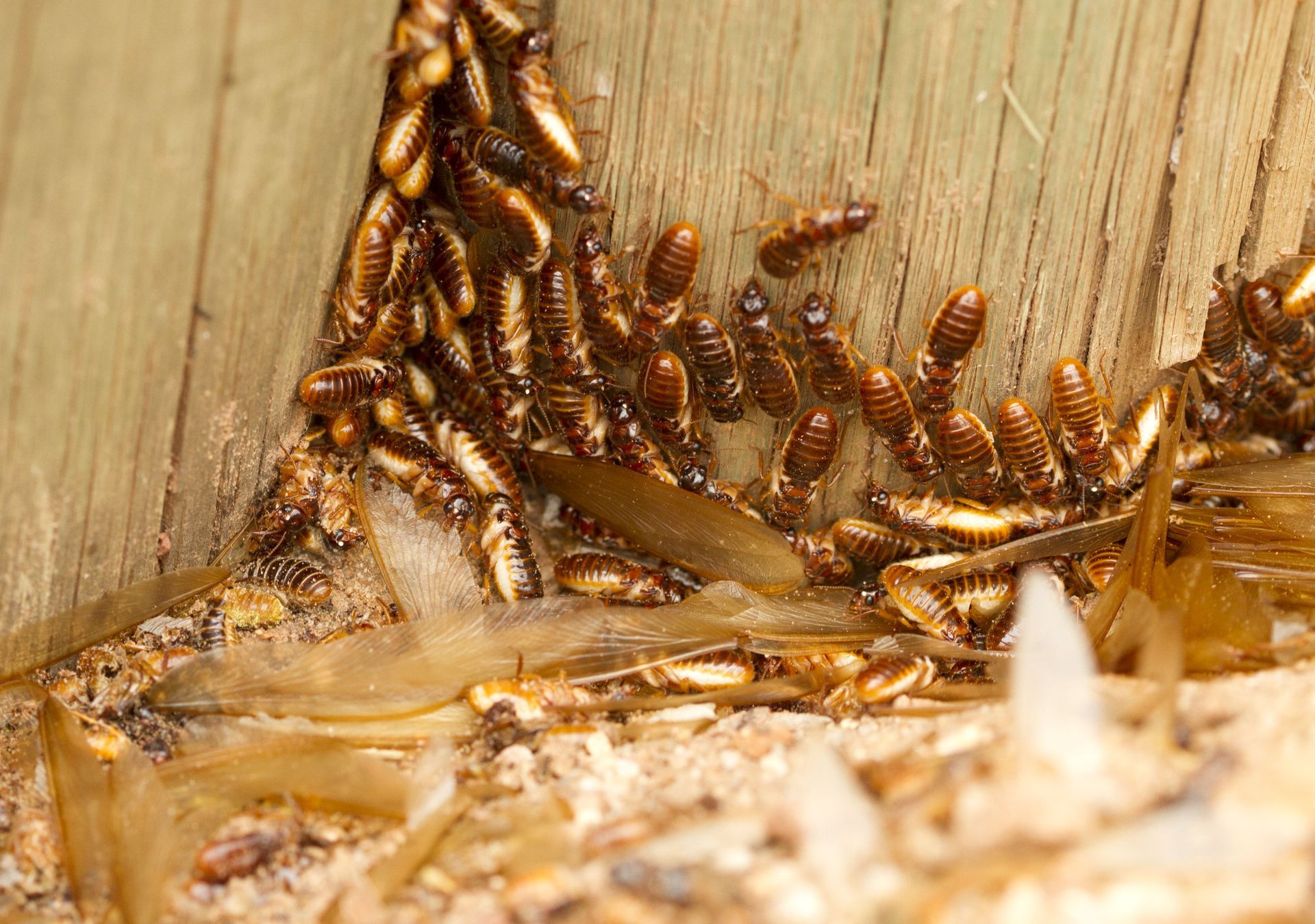
Termites can cause extensive property damage, and their impact is not limited to wooden structures. As infestations spread through concealed areas, they can affect foundations, insulation, electrical systems, furniture, documents, and other valuable materials. Understanding the different ways termites can affect a property can help owners recognize potential problems and seek professional assistance before damage becomes more extensive. Professional inspections and timely pest management can play an important role in identifying termite activity and protecting the structure and belongings within a property.
Damaging Building Materials
Termites are commonly associated with damaged wood, but their impact can extend to many other parts of a property. Their activity can affect concrete, insulation, electrical systems, personal belongings, and other building components. Because much of the damage can occur out of sight, an infestation may continue before obvious signs appear.
A professional termite company can identify evidence of activity and determine where treatment may be needed before damage becomes more extensive.
Damaging Concrete and Foundations
Termites do not consume concrete or metal, but their activity around these materials can contribute to secondary damage. As termites move through cracks, gaps, and openings while searching for food, they can create pathways that allow moisture to reach protected areas. Moisture can contribute to deterioration around foundations, walls, and other structural components. Where reinforced concrete is involved, moisture can also contribute to corrosion of embedded steel.
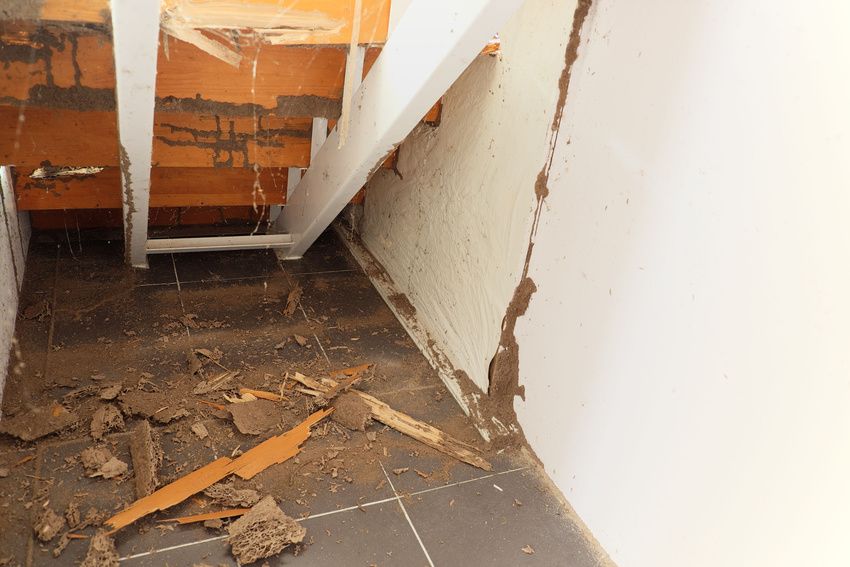
Foundation cracks, mud tubes, damaged wood, and unexplained moisture can indicate potential termite activity. A termite company can inspect areas where the structure meets the soil and look for evidence of termite entry.
Damaging Insulation and Ceilings
Termite activity can extend into walls, ceilings, and other concealed areas. If termites damage wood supporting a ceiling, deterioration can eventually contribute to sagging or other structural problems. Insulation can also be affected when termites move through wall and ceiling assemblies. Damaged insulation may reduce energy efficiency and contribute to higher utility costs. Replacing affected materials can add another expense when an infestation has progressed.
A professional inspection can help identify activity in areas that are not easily visible.
Damaging Electrical Systems
Electrical components can be affected by termite activity. Termites may encounter wiring while moving through concealed spaces, and damage to wire insulation can create electrical concerns. Compromised wiring can increase the possibility of short circuits and other malfunctions. Flickering lights, unexplained outages, or unusual electrical behavior should be evaluated by a qualified electrician. If termite activity is suspected nearby, pest inspection can help determine whether an infestation may be contributing to the problem. Electrical damage is particularly concerning because it can combine property damage with safety risks.
Damaging Outlets and Circuits
Termite activity around electrical infrastructure can potentially affect outlets, wiring connections, and other components. Damage to surrounding materials may also allow moisture to reach areas containing electrical equipment.
Circuit breakers help protect electrical systems from certain faults, but they cannot replace proper maintenance of wiring and surrounding building components. Any electrical malfunction should be evaluated by a qualified electrician.
When termite evidence is found near electrical systems, both pest and electrical professionals may be needed to determine the extent of the problem.
Damaging Paper and Records
Paper contains cellulose, making books, documents, records, and other paper products vulnerable to termites. Important paperwork can be damaged when termites tunnel through stored materials or reach paper products near an infestation.
According to Mississippi State University, mature eastern subterranean termite colonies can contain 200,000 termites. A colony of that size can forage across a substantial area, increasing the possibility that termites will encounter stored belongings. Damage to legal, financial, historical, or sentimental documents can create losses that extend beyond replacement costs. A termite company can help identify whether termite activity is threatening stored materials.
Damaging Photographs and Keepsakes
Photographs and paper-based keepsakes can also be damaged by termite activity. Unlike ordinary household materials, many photographs and memorabilia cannot simply be replaced.
Collections stored in areas affected by termites may require professional assessment. Signs of tunneling, paper damage, discarded wings, or other evidence can indicate an active or previous infestation.
Early identification can help limit the amount of material exposed to termites and reduce the potential for permanent losses.
Damaging Furniture and Upholstery
Wooden furniture can provide termites with another source of cellulose. Infestations may begin inside legs, frames, cabinets, or other concealed portions, allowing damage to progress before the exterior shows obvious signs.
As structural components weaken, furniture can become unstable or require restoration. Antique and specialty pieces can be especially difficult or expensive to replace because of their age, craftsmanship, or sentimental value.
Upholstered furniture can also be affected when termite activity damages wooden framework beneath fabric. Professional pest management can address the infestation while restoration specialists evaluate affected furnishings.
Damaging Art and Collectibles
Artwork, antiques, wooden frames, and other collectibles can face risks when termites are active inside a property. Cellulose-containing materials can provide food sources, while concealed damage may compromise structural components.
For collectors, the consequences can be significant. Some pieces have substantial monetary value, while others may be irreplaceable because of their history or personal significance.
Professional inspections are especially important in buildings containing valuable collections. Detecting termite activity early can help limit damage to items that may be difficult or impossible to replace.
Damaging Finances
The consequences of termite infestations can extend beyond individual damaged materials. Structural repairs, replacement of belongings, restoration work, and professional treatment can all contribute to the cost of an infestation.
Property value can also be affected when significant termite damage is discovered. Buyers may request repairs or additional inspections before completing a transaction, particularly when structural damage is involved.
Commercial properties can face additional complications when damage affects electrical systems, furnishings, stored materials, or building operations.
Damaging Hidden Areas
Termites can remain concealed inside walls, foundations, crawl spaces, ceilings, and other areas that are difficult to evaluate without professional experience. Visible damage may represent only part of the affected area.
A professional termite company can look for mud tubes, damaged wood, discarded wings, termite galleries, moisture concerns, and other indicators of activity. An inspection can help determine whether termites are present and where treatment may be necessary.
Different properties also have different vulnerabilities based on construction, moisture conditions, foundation design, and previous pest activity. Termite activity can also create challenges for property owners when damage is difficult to distinguish from ordinary wear. Small cracks, weakened materials, moisture problems, or damaged wood may have several possible causes, making professional evaluation useful. A qualified pest professional can examine the property for patterns that may indicate termite activity and identify areas that deserve closer attention. This is particularly important in older buildings, properties with previous termite problems, or structures where moisture has created favorable conditions for pests. Addressing concerns early with a termite company can help limit the scope of repairs and protect important structural and personal property.
Termite damage can involve much more than wooden walls and framing. Foundations, insulation, electrical systems, furniture, documents, artwork, and other property components may be affected directly or indirectly.
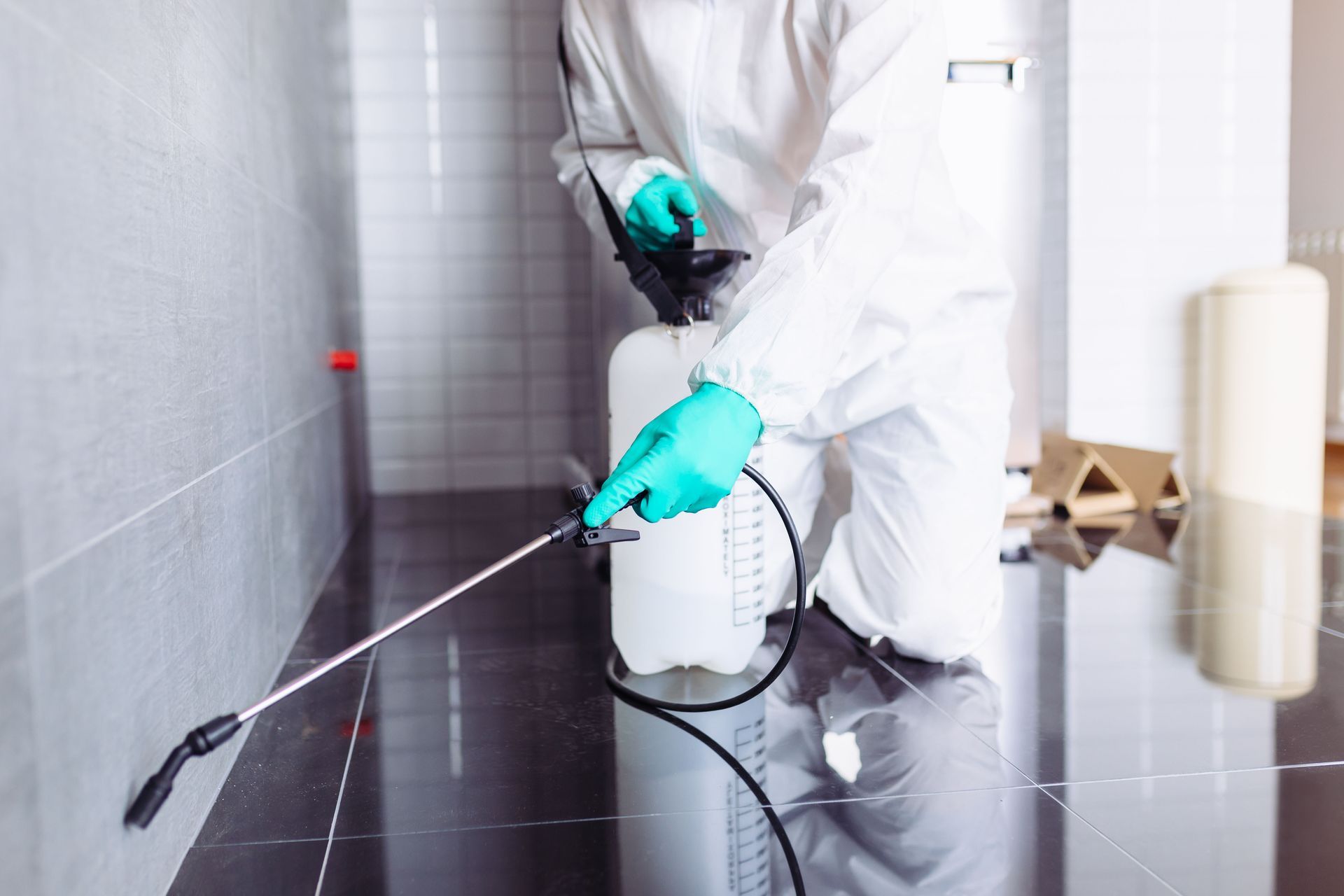
Because termites can remain hidden while colonies continue to forage, professional monitoring and timely treatment can help limit damage. Working with a qualified termite company allows property owners to identify activity and address vulnerable areas before problems become more extensive. Bugout Termite & Pest Control Inc can help property owners address suspected termite activity with professional pest management services. Contact the termite company Bugout Termite & Pest Control Inc to schedule an inspection and take the next step toward protecting your property from termite damage.