August 16, 2026
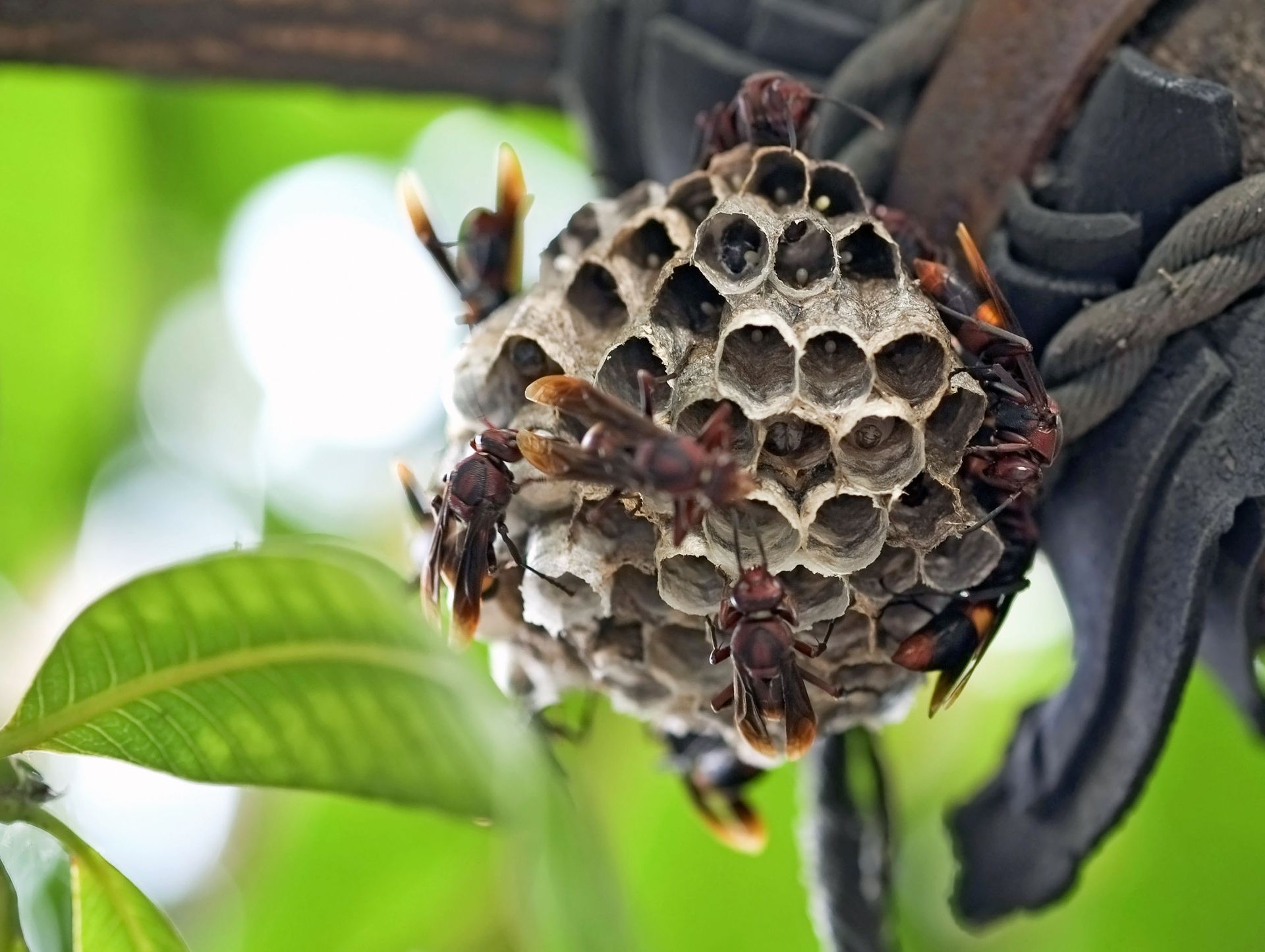
Finding a wasp nest on your home can be an unsettling experience, particularly when it is close to an entrance, window, patio, or other frequently used area. Wasps can become defensive when their nest is disturbed, making careless removal attempts potentially dangerous. The first step is to remain calm and avoid approaching the nest until you understand what you are dealing with. Keeping children and pets away from the area can also reduce the possibility of an accidental encounter. A visible nest does not always mean wasps are constantly swarming around your property, but caution is still necessary. Homeowners should observe the situation from a safe distance and avoid disturbing the colony. Professional exterminating services can provide a safer solution when the nest is difficult to reach or located near busy areas. Taking the right precautions early can help protect your household while the problem is addressed.
Avoid Disturbing the Nest
Disturbing an active nest can cause wasps to become defensive and increase their activity around the area. Vibrations, loud noises, movement, and attempts to knock down the structure may be interpreted as threats. Homeowners should never poke, hit, shake, or otherwise interfere with a nest simply to see whether it is active. Standing directly beneath or beside the nest can also put you within close range of the insects. Children and pets should be kept away because they may approach the nest without realizing the potential danger. Spraying the nest from close range can also cause wasps to leave the structure and become more active around you. If the nest is located near a doorway, walkway, play area, or patio, professional exterminating services may provide a safer alternative. Leaving the nest undisturbed until it can be properly evaluated is often the most practical approach.
Check for Additional Activity
After discovering one nest, homeowners should remain alert for other signs of wasp activity around the property. Wasps commonly select sheltered areas such as soffits, roof edges, attic openings, garages, sheds, and spaces beneath outdoor structures. Repeated insect activity around cracks, holes, vents, or gaps may indicate that wasps are entering and leaving a hidden nesting area. Small pieces of nesting material near an opening can also provide clues that insects are using the space. Homeowners should avoid climbing ladders or reaching into enclosed areas to investigate these locations. Instead, observe from ground level and make note of areas where activity appears concentrated. A professional inspection can help identify nests that are concealed inside structural spaces or positioned in difficult locations. Detecting additional activity early can make it easier to address the problem before it becomes a larger nuisance.
Keep People and Pets Away
Creating distance around an active nest is one of the simplest ways to reduce the possibility of accidental contact. Temporarily restrict access to patios, porches, sheds, play areas, or walkways that are close to the nest. Inform everyone in the household about the location so they can avoid approaching it during everyday activities. Pets should also remain away from the area because they may investigate the nest or disturb nearby vegetation. Avoid mowing, trimming plants, pressure washing, or completing other outdoor projects immediately around the nest. If the nest is near a commonly used entrance, consider using another entry point until the situation has been addressed. According to IBISWorld, there are 32,720 businesses operating in the pest control industry across the U.S., providing homeowners with many professional options for pest-related concerns. Choosing qualified exterminating services can help reduce unnecessary exposure while the nest is being handled.
Contact a Pest Professional
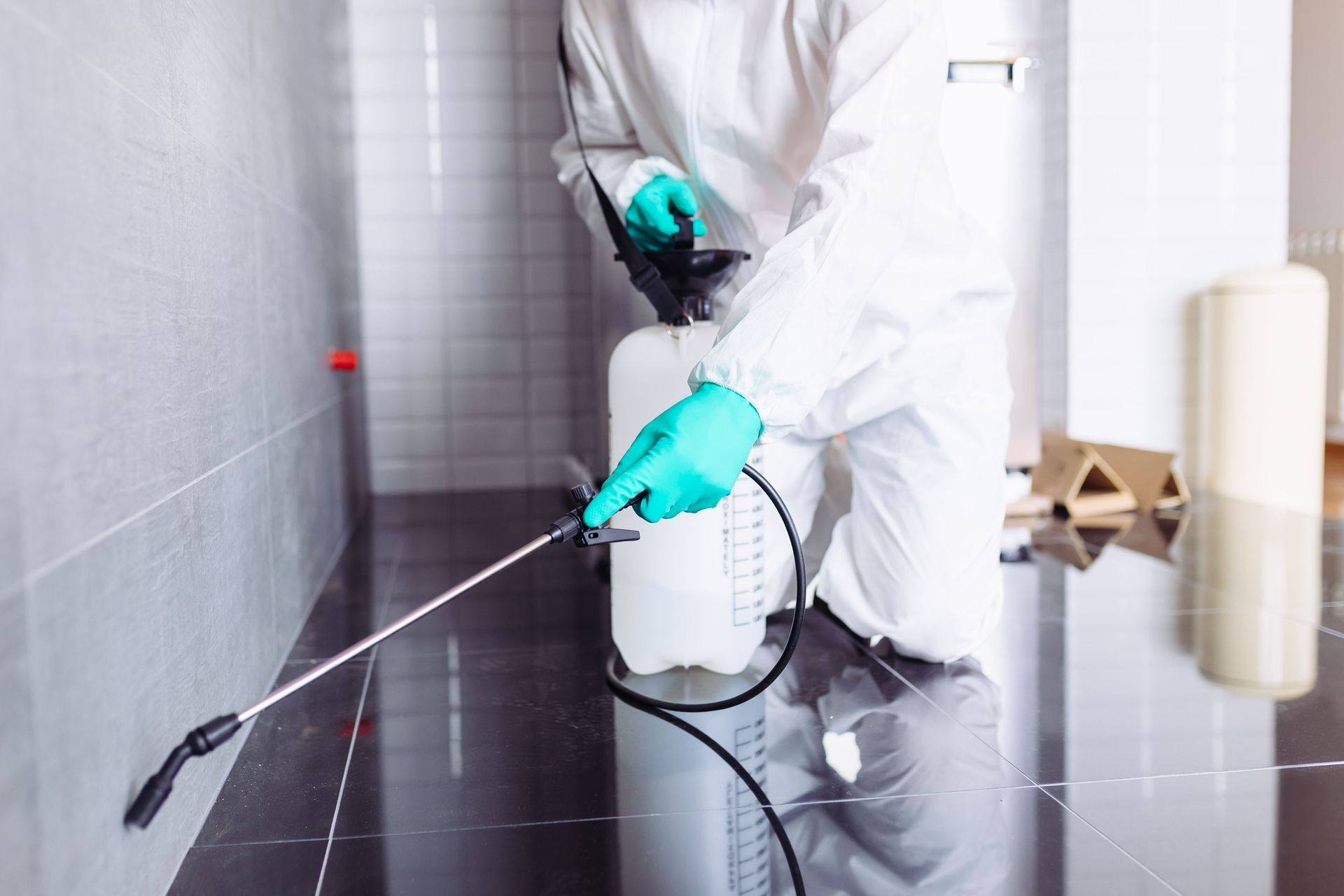
Professional assistance is particularly important when a nest is located in a difficult-to-reach or frequently used area. Multiple nests or heavy wasp activity can also make do-it-yourself treatment more challenging. Nests located inside walls, attics, roofs, or other enclosed spaces may require additional attention because the source of the activity is not immediately visible. Attempting to treat these areas without the appropriate knowledge can result in accidental contact with the insects. A pest professional can inspect the property and determine where the activity is coming from. They can also recommend an appropriate treatment method based on the location and circumstances surrounding the nest. Homeowners should be especially cautious when someone in the household has previously experienced a serious reaction to an insect sting. Professional exterminating services offer a structured way to address the problem without requiring homeowners to take unnecessary risks.
Prepare for Professional Treatment
There are several simple precautions homeowners can take while waiting for professional assistance. Keep windows and doors near the nest closed whenever possible to prevent wasps from entering the home. Avoid placing outdoor furniture, tools, toys, or equipment directly beneath or beside the nest. Outdoor activities should be moved to another area of the property until the nest has been treated or removed. Homeowners should also avoid sealing holes or openings where wasps are entering because this may force them into another part of the structure. Instead, point out these locations to the technician during the inspection. Following the technician's recommendations can help ensure the affected area is handled appropriately. Taking these precautions can reduce opportunities for accidental contact while the problem is being addressed. After treatment, homeowners should continue following any instructions provided to help prevent future activity.
Prevent Future Wasp Nests
Preventing future nests begins with reducing areas around the property where wasps can establish colonies. Inspect exterior walls, windows, doors, vents, roof edges, and utility openings for gaps that could provide access to protected spaces. Appropriate openings should be sealed as part of routine home maintenance when there is no active nest inside. Keeping garbage containers closed and cleaning food or sugary drink spills can also reduce potential attractants around outdoor areas. Homeowners should regularly maintain vegetation so plants do not create dense spaces against the exterior of the home. Outdoor structures such as sheds and garages should also be inspected periodically for signs of insect activity. If wasps repeatedly return to the property, professional exterminating services can help identify conditions that may be contributing to the problem. Combining property maintenance with professional guidance can make the home less attractive to nesting pests.
Rely on a Safe Removal Approach
A wasp nest should be treated as an active pest concern rather than something that can automatically be removed because it looks small or inactive. Even a modest nest can contain insects that may defend the colony when they feel threatened. Homeowners should consider the nest's location, surrounding activity, and accessibility before deciding how to proceed. A nest positioned near a doorway or high-traffic area presents a different concern from one located far from regular household activity. Difficult-to-reach nests may also create additional risks if removal requires climbing or reaching into confined spaces. A qualified technician can evaluate these factors and recommend an appropriate solution. Professional exterminating services can be particularly useful for nests that are elevated, concealed, or positioned near people and pets. Taking a cautious approach helps homeowners address the problem without creating additional hazards.
Rather than attempting to disturb an active nest yourself, you can have the situation evaluated and receive guidance based on its location and activity. Professional technicians can identify potential nesting areas and determine the appropriate course of action. They can also help identify conditions around your property that may contribute to recurring pest activity. This can be especially helpful when nests are hidden inside structural spaces or located in areas that are difficult to access safely. With professional exterminating services, homeowners can take a more cautious and organized approach to handling an active nest. Contact us today to schedule an inspection and take the next step toward addressing your wasp problem.