August 26, 2026
Termites are frequently described as "silent destroyers" because they can steadily chew through internal structural timbers for months or even years without giving off obvious, easily noticeable warning signs. For many property owners, discovering even a single worker or swarming termite triggers immediate, overwhelming panic, instantly conjuring dramatic images of load-bearing support beams snapping in half and floorboards collapsing overnight. While their appetite for wood and cellulose-based building materials is completely undeniable, the actual rate at which these relentless insects cause catastrophic structural failure is often grossly misunderstood by the average homeowner. Hiring a qualified, licensed termite company provides the most accurate assessment of your home's true risk while stopping subtle, hidden destruction long before it permanently undermines your building's structural integrity.
Understanding the Timeline of Termite Damage
Understanding how fast termites consume structural wood requires looking closely at subterranean colony size, environmental conditions, and feeding dynamics over time. We've found that a fully mature subterranean termite colony can house anywhere from 60,000 to well over one million individual worker insects working continuously beneath the soil surface. A standard subterranean colony containing roughly 60,000 workers consumes approximately one linear foot of a standard two-by-four pine board every quarter, which translates to roughly one-fifth of an ounce of raw wood timber per day. Because that daily consumption volume is typically spread out across multiple feeding sites within a broad home structure, visible structural collapse never happens overnight or even within a few weeks of infestation onset. According to research from Penn State University, it can take up to 10 years for an infestation to cause serious structural damage to a residential home. This multi-year timeline means homeowners usually have a critical window of opportunity to identify infestation signs and intervene before catastrophic structural repairs become necessary.
Recognizing the Primary Types of Structural Termites
Recognizing which specific termite species has established an active colony on your property is crucial because different termites consume structural timber at drastically different speeds. Subterranean termites represent the most widespread and destructive wood-destroying species across North America, building extensive underground nests and mud tubes to access soft springwood fibers within floor joists, subflooring, and interior wall framing. Drywood termites live entirely inside the dry wooden structures they consume and do not require contact with damp outdoor soil, but their significantly smaller colony sizes mean their total wood destruction progresses much more slowly over several years. Formosan termites, an unusually aggressive sub-species of subterranean termite common in warmer regions, form massive underground colonies capable of consuming structural timber up to five times faster than standard native species. When you contact a certified termite company, identifying the exact species present is always the necessary first step toward crafting a highly targeted and effective eradication strategy.
Identifying the Main Factors That Speed Up Destruction
Identifying the environmental conditions that accelerate feeding activity helps pinpoint why certain houses suffer severe structural issues much faster than neighboring properties. High moisture levels play an immensely significant role in speeding up wood damage, as active plumbing leaks, damp crawlspaces, poor roof drainage, and saturated perimeter soil soften wood fibers and make cellulose far easier for worker termites to digest. Warm ambient climates keep termite colonies active year-round without entering a standard winter dormancy period, which dramatically increases the total annual wood loss a home experiences. Furthermore, direct wood-to-soil contact provides termites with an unhindered, hidden highway directly into your foundation framing, allowing large, established colonies to consume structural timber at an exponentially higher daily rate than smaller, newly formed swarms. Working alongside a qualified termite company allows proactive homeowners to catch these critical environmental triggers early and remediate elevated risk factors before structural damage spirals out of control.
Spotting the Early Warning Signs Around Your Home
Spotting early physical evidence of an active termite infestation can save you tens of thousands of dollars in major structural repairs down the road. Because termites feed from the inside out to protect their soft bodies from light and open air, the outer surface of painted timber often looks completely intact while the interior structural integrity decays. Homeowners should regularly inspect perimeter foundation walls and crawlspaces for pencil-thin mud tubes, while checking interior window sills and doorways for small, translucent wings discarded after seasonal mating swarms. Tapping structural wood with a heavy screwdriver handle often reveals hollow, papery sounds when internal galleries have been excavated, while blistered hardwood, rippled wallpaper, or sagging laminate flooring can signal hidden feeding occurring directly beneath the subfloor surface. If you observe any of these clear warning signals around your foundation or living areas, scheduling a comprehensive home evaluation with a local termite company immediately will prevent localized feeding from escalating into extensive load-bearing timber failure.
Evaluating the True Financial Cost of Delayed Action
Evaluating the long-term financial consequences highlights why delaying professional inspection or treatment is a dangerous financial gamble no property owner should ever take. Standard homeowners insurance policies almost universally exclude wood-destroying insect damage from coverage, viewing termite infestations as preventable routine maintenance issues rather than sudden, covered disasters like fires or storms. While treating a minor, newly established infestation might cost money to properly eliminate, structural repairs involving compromised floor joists, main support girders, roof trusses, or wall studs can easily reach five-figure structural repair bills. Additionally, when selling a property in the future, undisclosed or unaddressed termite history can instantly derail real estate transactions, force steep price concessions, or require expensive retroactive repairs prior to closing escrow.
Comparing Professional Remediation to DIY Alternatives
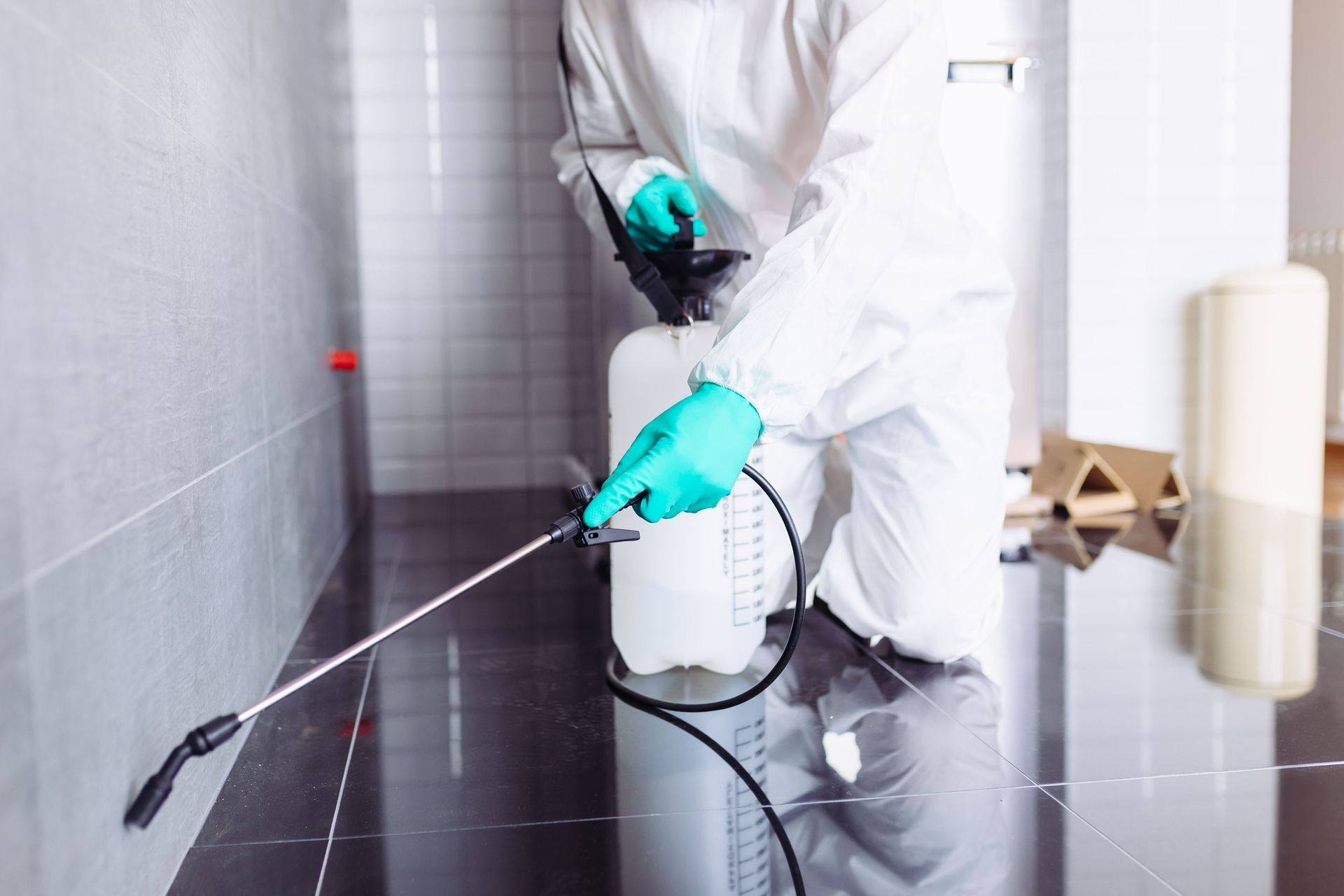
Comparing commercial extermination methods against store-bought solutions demonstrates stark, undeniable differences in total colony eradication and long-term protection. DIY sprays, spot liquid perimeter repellents, and over-the-counter bait stakes bought at hardware stores often provide a completely false sense of security by killing visible worker bugs on contact while leaving the main subterranean queen completely unharmed deep beneath the soil. A licensed termite company utilizes specialized high-pressure injection equipment, industrial-grade liquid termiticides, and advanced slow-acting non-repellent baiting systems. These professional-grade treatments are deliberately carried back to the main underground nest by foraging worker insects, effectively poisoning the reproductive queen and systematically collapsing the entire central colony architecture from within over a controlled period.
Implementing Long-Term Preventive Measures for Homeowners
Implementing proactive seasonal maintenance habits helps keep your property unappealing to foraging termite scouts seeking new moisture and food sources. Effective structural protection begins with rigorous moisture management, which includes cleaning roof gutters regularly, extending downspouts several feet away from foundation walls, and fixing outdoor spigot or indoor plumbing leaks promptly. Homeowners should maintain a clean six-inch clearance gap between exterior soil levels and the bottom edge of siding, store firewood or cardboard boxes off the ground at least twenty feet away from exterior walls, and grind down old tree stumps to eliminate potential nesting sites in the yard. Consulting with an experienced termite company helps identify subtle structural vulnerabilities around your property that you might otherwise miss during routine weekend maintenance routines.
Choosing the Right Pest Management Professionals
Choosing a dedicated partner to protect your property requires thoroughly evaluating technical expertise, warranty guarantees, state licensing, and ongoing inspection protocols. You want a professional service provider that offers detailed written inspection reports outlining active conditions, historical wood damage, elevated moisture readings, and clear recommended remediation paths tailored to your building design. Look specifically for pest management providers that offer fully transferable damage warranties and annual re-inspection monitoring services to catch future swarms before they can ever take root in your timber. Partnering with a reputable termite company provides continuous perimeter defense and long-term security, ensuring your most valuable financial investment remains fully protected year after year.
While termites work relentlessly around the clock, severe structural failure takes years rather than days or weeks—giving you a crucial window of opportunity to intervene once subtle infestation signs are detected. Early detection, consistent structural maintenance, and professional oversight remain your most dependable line of defense against these subterranean pests. Partnering with a certified
termite company ensures that your house stays sound, secure, and completely pest-free for decades to come.
Don't wait for minor wood damage to turn into a major structural failure in your home. Contact the experienced team at Bugout Termite & Pest Control Inc today to schedule your comprehensive home termite inspection. Protect your family's investment and get ultimate peace of mind by giving us a call right now!