Spot the early signs of infestation—from mud tubes to hollow wood—and learn when to call professional termite companies to protect your home from costly damage.

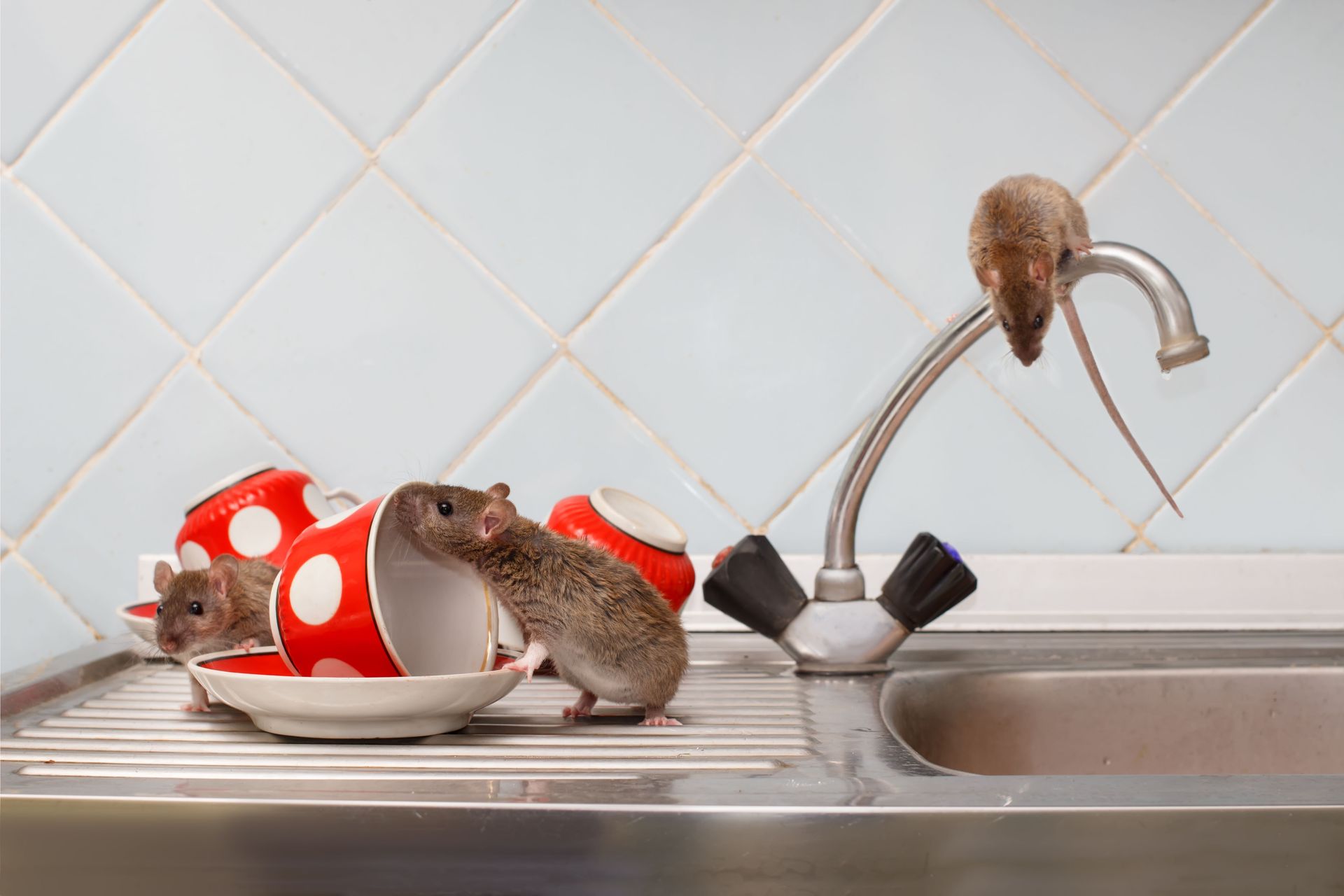
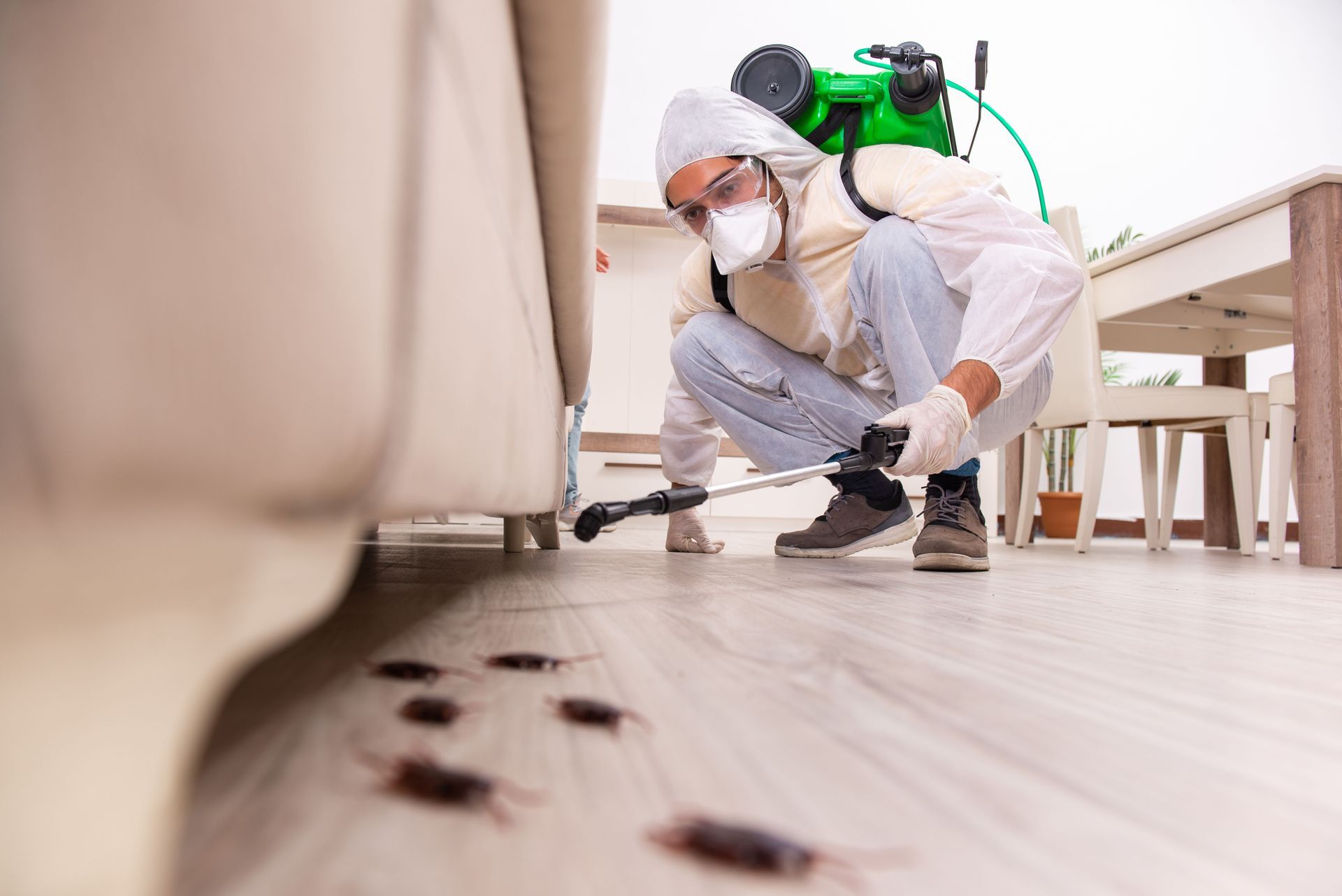
Pest infestations can threaten property, disrupt daily routines, and create concerns about health and safety. However, identifying the pest responsible for a problem is not always straightforward. Different insects and rodents can leave similar signs, making it difficult for property owners to determine which species is present. Choosing an effective treatment begins with understanding the specific pest, its behavior, and the conditions allowing it to thrive. At Bugout Termite & Pest Control Inc., we understand that accurate identification is essential to successful pest management. Working with a professional exterminator helps property owners avoid unnecessary treatments, address hidden infestations, and develop appropriate prevention strategies. Understanding why identification matters can help homeowners and businesses make informed decisions about protecting their properties. How Accurate Pest Identification Improves Treatment Understanding Pest Behavior and Habitats Every pest species has distinct feeding habits, nesting preferences, and reproductive patterns. Termites consume wood, carpenter ants excavate wood to create nesting spaces, and rodents seek sheltered locations near accessible food sources. Understanding these differences helps pest management professionals determine where to inspect and which treatments are appropriate. A professional exterminator evaluates these behaviors to locate potential nesting areas, identify conditions supporting infestations, and recommend targeted solutions. This approach addresses the underlying problem rather than focusing exclusively on visible activity. Environmental conditions also influence pest behavior. Moisture, temperature, landscaping, and building materials can affect where pests establish themselves. Recognizing these factors helps professionals develop treatment strategies that account for the property's unique circumstances. Selecting Appropriate Pest Control Methods Different pests require different treatment methods. Products designed to manage ants may not effectively address bed bugs, fleas, or termites. Applying an inappropriate treatment can delay resolution and allow infestations to spread. According to the National Pest Management Association, 90% of surveyed pest management professionals reported receiving calls about suspected bed bugs that turned out to be other pests. This finding demonstrates how easily pest activity can be misunderstood without professional assessment. An experienced exterminator identifies the pest before recommending treatment. This allows professionals to select appropriate products, application methods, and monitoring procedures while following applicable safety requirements. Accurate identification also helps determine whether treatment is necessary. Some insects are harmless or beneficial, and distinguishing them from damaging species prevents unnecessary interventions. Preventing Recurring Pest Infestations Eliminating visible pests does not necessarily resolve the conditions responsible for an infestation. Hidden nesting areas, structural openings, and moisture problems can allow activity to continue or return. Professional pest identification helps uncover these contributing factors. By understanding how a particular species enters buildings, reproduces, and finds resources, pest management specialists can develop prevention strategies suited to the infestation. A qualified exterminator can also recommend follow-up inspections and monitoring when appropriate. These services help evaluate treatment effectiveness and identify new activity before a problem becomes more extensive. Long-term prevention requires an approach that considers both the pest and its surrounding environment. Proper identification provides the foundation for making those decisions. Minimizing Unnecessary Chemical Applications Responsible pest management involves choosing treatments based on actual conditions rather than applying products indiscriminately. Misidentifying an infestation can result in unnecessary pesticide applications or ineffective treatment choices. Accurate identification allows professionals to evaluate available options, including targeted applications, exclusion measures, and environmental modifications. The appropriate combination depends on the pest species, infestation severity, and property characteristics. Professional assessments also consider areas where children, pets, and other occupants may encounter treatment materials. Following product labels and established safety procedures is essential throughout the process. By selecting treatments according to verified pest activity, professionals can reduce unnecessary applications while maintaining effective management. How Pest Misidentification Creates Additional Problems Confusing Beneficial Insects With Harmful Pests Not every insect found around a property presents a threat. Ladybugs, certain wasps, and other beneficial insects can help control populations of insects that damage plants or become nuisances. Mistaking these organisms for harmful pests may lead to unnecessary treatment. Conversely, assuming a damaging insect is harmless can allow an infestation to develop unnoticed. A professional exterminator can distinguish between species with similar appearances and determine whether intervention is warranted. This expertise helps property owners avoid unnecessary measures while addressing genuine concerns. Understanding the ecological roles of different insects is particularly valuable around gardens, landscaping, and exterior building areas. Overlooking Hidden Pest Infestations Visible pest activity may represent only a small portion of an infestation. Termites can remain concealed within structural materials, while cockroaches may occupy wall voids, cabinets, and other protected spaces. Without accurate identification, treatment may focus on isolated sightings rather than the larger problem. This can allow hidden populations to continue reproducing and potentially increase property damage. Professional inspections examine evidence such as droppings, damaged materials, discarded wings, and nesting activity. These findings help specialists determine whether additional investigation is necessary. Identifying the full scope of an infestation supports more comprehensive treatment planning and reduces the likelihood of overlooking important problem areas. Mistaking One Rodent Species for Another Mice and rats share certain characteristics, but their behavior, preferred habitats, and movement patterns differ. These distinctions influence how professionals approach rodent management. Misidentification may result in poorly positioned control equipment or missed entry points. Rodents can contaminate stored food, damage materials through gnawing, and create sanitation concerns. An experienced exterminator examines droppings, gnaw marks, nesting evidence, and movement patterns to help identify the species involved. This information supports targeted control and exclusion recommendations. Correct identification is especially important when rodent activity occurs in attics, crawl spaces, kitchens, or commercial storage areas. Confusing Termites With Carpenter Ants Termites and carpenter ants can both be associated with damaged wood, but they affect structures differently. Termites consume cellulose, while carpenter ants excavate galleries within wood to establish nests. Because their treatment requirements differ, confusing these insects can delay appropriate intervention. Damage patterns, discarded wings, and other physical characteristics help professionals distinguish between them. At Bugout Termite & Pest Control Inc., we recognize the importance of investigating suspected wood-destroying pest activity before recommending a treatment plan. A professional assessment can clarify the source of the problem and help property owners understand the next steps for protecting affected structures. How Professional Pest Inspections Support Accurate Identification Examining Visible Evidence of Pest Activity Professional inspections begin by evaluating the signs associated with suspected pest activity. These may include droppings, damaged materials, nesting debris, unusual odors, and live insects. Inspectors also consider where evidence appears. Activity near plumbing fixtures may suggest different conditions than activity around wooden framing or food storage areas. A knowledgeable exterminator uses these observations to narrow down possible species and determine where additional inspection is needed. This systematic process helps distinguish isolated pest sightings from evidence of an established infestation. Evaluating Environmental Conditions and Entry Points Identifying the pest is only one part of a comprehensive inspection. Professionals also examine environmental conditions that may attract pests or provide suitable shelter. Excess moisture, foundation gaps, damaged weatherstripping, and accessible food sources can contribute to pest activity. Different species respond to these conditions in different ways. An exterminator evaluates relevant structural and environmental factors to determine how pests may be entering or occupying a property. Findings can inform treatment recommendations and preventive improvements. Addressing contributing conditions helps support longer-term pest management rather than relying solely on immediate treatment. Developing Targeted Treatment and Monitoring Plans Once the pest has been identified and the infestation assessed, professionals can recommend a treatment strategy based on the findings. The plan may involve targeted pest control applications, exclusion work, monitoring, or follow-up services. The specific recommendations depend on the species, property conditions, and extent of activity. Monitoring can be particularly important for pests that remain concealed or reproduce rapidly. Follow-up evaluations help determine whether additional treatment is necessary. At Bugout Termite & Pest Control Inc., we believe effective pest management begins with understanding the problem before selecting the solution. Our goal is to help property owners make informed decisions about protecting their homes and businesses. When unexplained pest activity appears, working with a qualified exterminator provides access to professional identification, appropriate treatment recommendations, and preventive guidance. Contact Bugout Termite & Pest Control Inc. to discuss your pest concerns and learn more about professional inspection and pest management services.
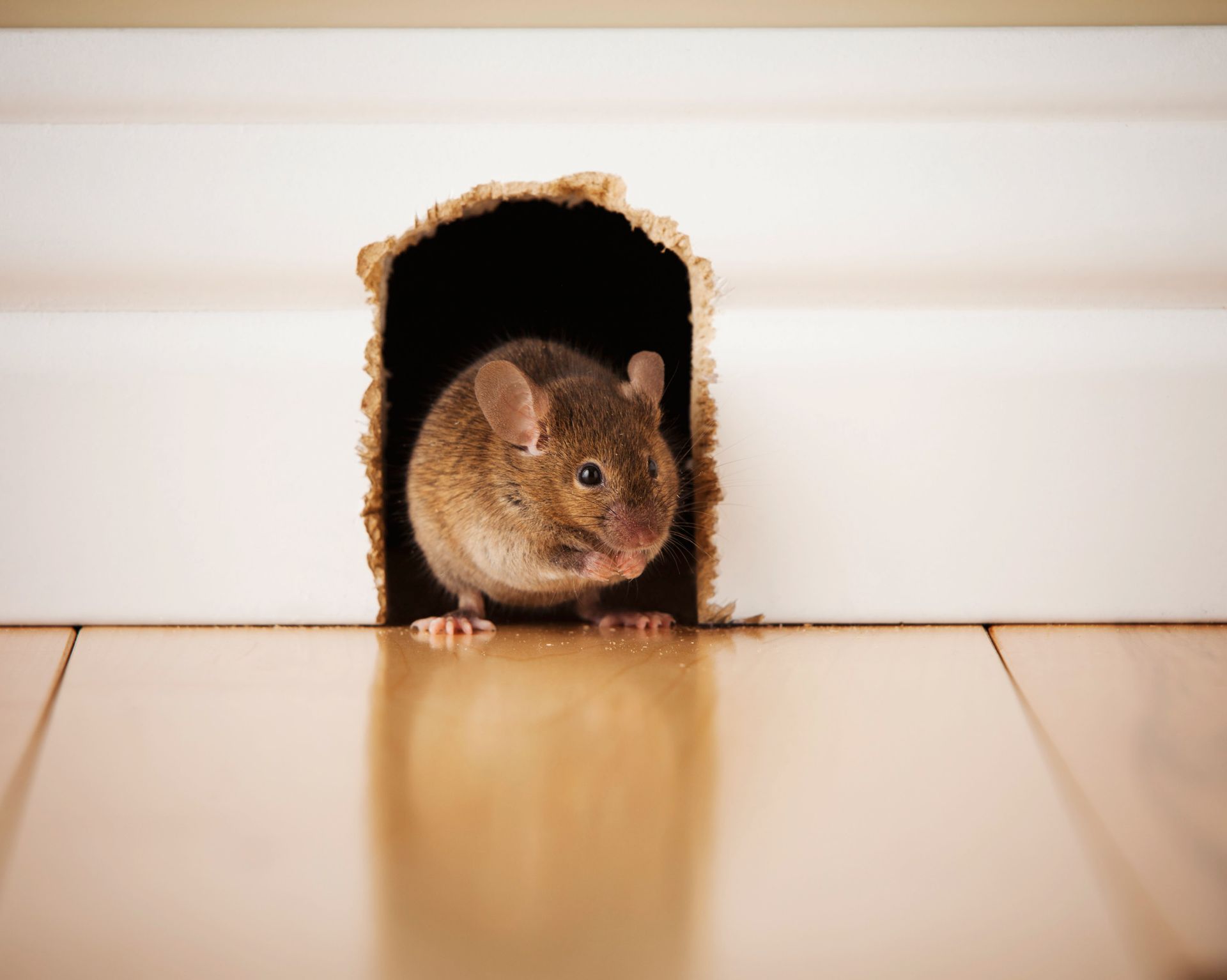
Protect your home from rodents with a pest control service from Bugout Termite & Pest Control Inc. Learn about rodent removal and prevention. Call today!